
California Telehealth Services That Fit Real Life
MK
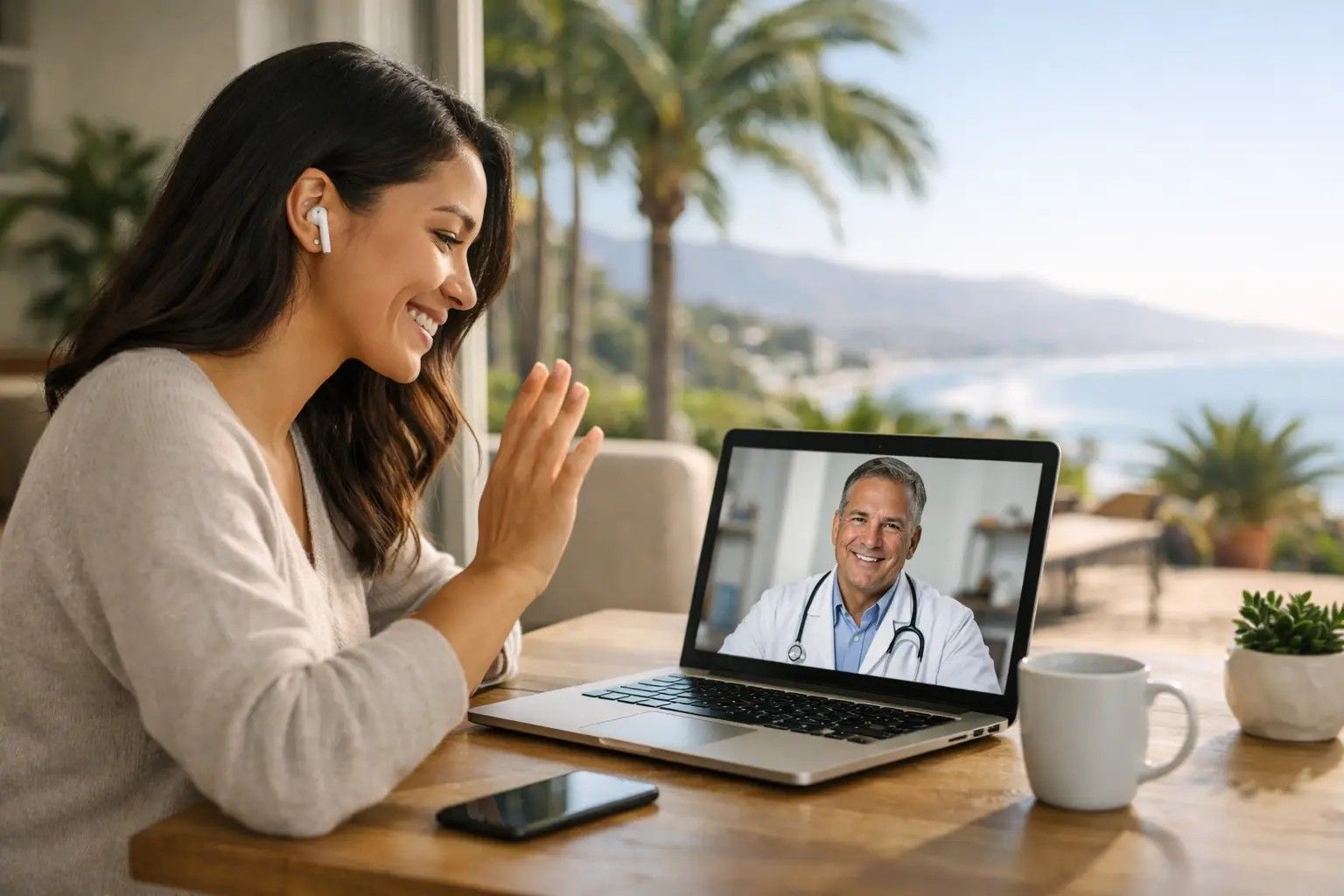
A sinus infection that flares up on a Tuesday morning, a blood pressure refill that somehow ran out, a weight-loss plan that needs real medical oversight instead of guesswork - this is where california telehealth services have become more than a convenience. For many adults, virtual care is now the most practical way to get evaluated, treated, and followed over time without rearranging work, childcare, or commute-heavy schedules.
In California, telehealth has moved well beyond one-off urgent care chats. Patients now use virtual visits for everyday primary care, chronic condition management, prescription support, preventive planning, and focused programs for concerns like fatigue, hair loss, sexual wellness, and medical weight management. The appeal is simple: timely access, transparent pricing, and care that feels easier to start and easier to continue.
What california telehealth services actually cover
A common misconception is that telehealth only works for minor issues. In reality, many virtual practices now manage a wide range of concerns safely and effectively when the visit is matched to the right clinical need.
For acute care, telehealth often works well for infections, cold and flu symptoms, rashes, allergies, uncomplicated urinary symptoms, digestive complaints, and medication refills when appropriate. A licensed provider can review symptoms, assess urgency, recommend treatment, and decide whether medication, testing, or an in-person referral makes the most sense.
For ongoing care, virtual medicine is often a strong fit for high blood pressure, diabetes follow-up, thyroid concerns, anxiety, depression, high cholesterol, and similar conditions that require monitoring and medication management over time. The visit may happen through video, but the clinical thinking behind it is the same - review symptoms, assess response to treatment, adjust the plan, and order labs or imaging when needed.
This is also where telehealth has expanded into more personalized care categories. Many California patients are looking for support that sits between traditional primary care and specialty treatment. That includes programs for energy, skin, hair, sexual health, and medically guided weight loss. These services are not just retail wellness products when done correctly. They should begin with a clinical evaluation, consider medical history and risk factors, and include follow-up rather than a one-time transaction.
Why telehealth works so well for California patients
California is full of people with limited time and long to-do lists. Whether you live in Los Angeles, San Diego, Sacramento, the Bay Area, or a smaller community, healthcare friction tends to look familiar: delayed appointments, travel time, hard-to-reach offices, and rushed visits once you finally get in.
Telehealth reduces that friction. A same-day or next-day appointment from home is not just easier - it can mean getting treatment earlier, staying more consistent with medications, and avoiding the cycle of putting care off until a problem becomes harder to manage.
Cost also matters. Many patients want care that is straightforward and affordable, especially if they have a high-deductible plan, are paying out of pocket, or simply do not want billing surprises. Cash-pay virtual care with transparent visit pricing can be a better fit than navigating unclear insurance costs. When HSA or FSA spending is available, that can make telehealth even more practical.
Privacy is another reason many adults prefer virtual care, particularly for sensitive concerns like sexual wellness, weight health, fatigue, hair loss, or mental health treatment. A discreet online visit from a private setting often feels easier than discussing those issues in a crowded waiting room.
The best use cases for california telehealth services
The strongest telehealth experience happens when the service model matches what patients actually need. That usually falls into three categories.
The first is on-demand primary care. This works best when you have a new issue that needs medical attention quickly but does not clearly require emergency treatment. You want a provider who can assess symptoms, create a treatment plan, send prescriptions when clinically appropriate, and tell you if an in-person exam or urgent escalation is necessary.
The second is continuity care. This matters for patients managing chronic conditions or recurring concerns. Virtual follow-up can make it much easier to stay on treatment, review lab results, adjust medications, and keep care moving instead of dropping off between widely spaced office visits.
The third is structured specialty-style support within a primary care framework. Weight management is a good example. Effective medical weight care should not start and end with a prescription request. It should include screening, discussion of goals, review of contraindications, education on risks and side effects, lab oversight when indicated, and ongoing monitoring. The same logic applies to vitality-focused care for fatigue, skin, hair, and sexual wellness.
What to look for in a virtual clinic
Not all california telehealth services are built the same. Some are designed around quick transactions. Others are built around longitudinal care, which usually leads to better outcomes and a better patient experience.
A strong virtual clinic should offer licensed California providers, clear pricing, and a care process that explains what is included. That may mean evaluation, diagnosis, treatment planning, prescriptions when appropriate, refill management, lab and imaging orders, follow-up visits, and care coordination if your situation changes.
It also helps when the clinic is realistic about trade-offs. Telehealth is excellent for many issues, but it is not the right setting for chest pain, severe shortness of breath, stroke symptoms, major injuries, or any emergency. Good virtual care does not try to force every case into an online visit. It knows when to treat, when to monitor, and when to refer.
Another useful sign is whether the clinic supports continuity instead of leaving patients to start over every time. If you are managing blood pressure, thyroid disease, anxiety, or a GLP-1-based weight program, the value comes from an ongoing relationship and a provider who understands your history.
Where virtual primary care stands out
Primary care is often where patients feel the biggest difference. Instead of waiting weeks for a brief in-person appointment, a telehealth model can make routine medical care feel usable again.
That includes acute visits for common illnesses, but also practical needs that often get delayed in traditional settings: refill requests, chronic medication check-ins, lab follow-up, and reviewing new symptoms before they turn into larger problems. For busy adults, this kind of access can remove one of the biggest barriers to staying engaged with their health.
At its best, virtual primary care does not feel impersonal. It feels direct. You meet with a qualified provider, talk through what is going on, and leave with a plan you can actually follow. For many patients, that is more valuable than an office visit that takes half a day and still feels rushed.
Weight management and wellness support need real clinical oversight
This is one area where patients should be selective. Interest in semaglutide, tirzepatide, and other provider-guided weight therapies has grown quickly, but safe care still depends on medical screening, treatment selection, dose management, and follow-up.
The right program should assess whether you are an appropriate candidate, review your health history, discuss expectations, and monitor progress over time. Weight health is rarely about medication alone. It often overlaps with blood sugar, blood pressure, thyroid function, sleep, mood, and long-term adherence.
The same goes for vitality concerns. Fatigue, hair changes, skin issues, or sexual wellness symptoms can have simple explanations, but they can also point to hormonal issues, medication effects, stress, metabolic concerns, or other underlying factors. A thoughtful telehealth visit can sort through those possibilities and decide whether treatment, testing, or referral is the next step.
A more practical model of care
For many adults, the value of virtual care is not novelty. It is usability. Healthcare works better when patients can actually access it, afford it, and fit it into normal life.
That is why modern telehealth practices such as MaVie Clinic are gaining traction in California. The model is built around same-day access, evidence-based nurse practitioner-led care, transparent cash-pay pricing, and support that can include evaluation, treatment planning, prescriptions, monitoring, and medication fulfillment in applicable programs. For patients who want care without the usual delays and complexity, that kind of structure matters.
The future of care is probably not fully virtual or fully in person. It is a better mix of both. If a service gives you timely access, clear next steps, and a provider who treats your concerns seriously, it is doing what healthcare should have done all along - meeting you where you are and helping you move forward.