Comparing Cash-Based and Traditional Healthcare: Which is Right for You?
MK
Understanding Cash-Based Healthcare
Cash-based healthcare, often referred to as direct care, is a model where patients pay healthcare providers directly without involving insurance companies. This approach can offer a more straightforward and transparent healthcare experience. Patients typically pay for services at the time they receive them, which can lead to a more personal relationship with healthcare providers.
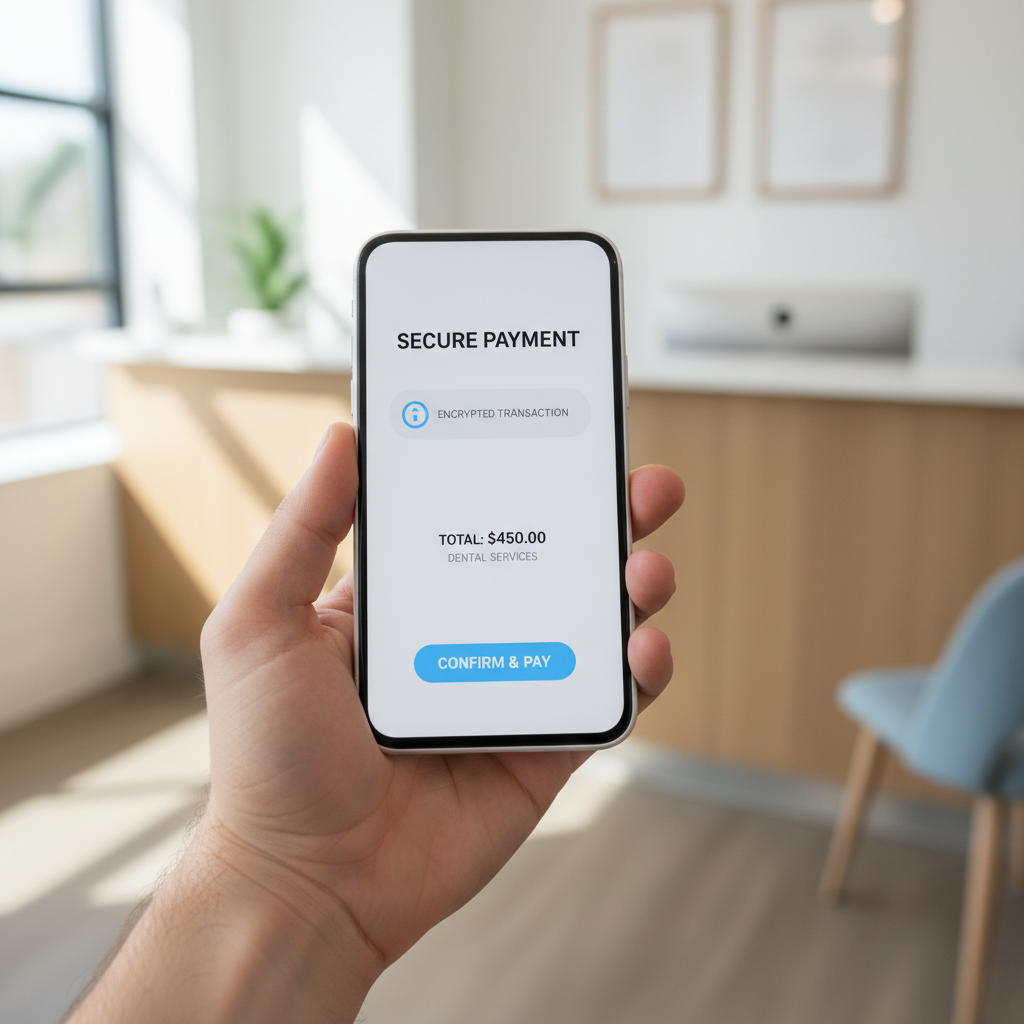
One of the significant advantages of this model is cost transparency. Without the intermediary of insurance companies, patients have a clearer understanding of the costs for services. This can often result in lower overall healthcare expenses for those who do not require frequent medical attention.
Benefits of Cash-Based Healthcare
Cash-based healthcare can offer several benefits, including:
- Greater control over healthcare decisions: Patients have more freedom to choose their providers and treatments.
- No insurance limitations: Patients avoid network restrictions and insurance denials.
- Potential cost savings: Without insurance markups, the costs may be lower for those with limited healthcare needs.
Exploring Traditional Healthcare
Traditional healthcare involves the use of insurance to cover medical expenses. Patients pay premiums and may have co-pays or deductibles when accessing healthcare services. This model is prevalent due to its comprehensive coverage, especially for individuals with chronic conditions or significant healthcare needs.
Insurance-based healthcare can provide peace of mind, as it often covers unexpected, large medical expenses. However, it can also lead to higher out-of-pocket costs and less flexibility in choosing healthcare providers.

Advantages of Traditional Healthcare
There are several reasons why individuals choose traditional healthcare, including:
- Comprehensive coverage: Insurance often covers a wide range of services and treatments.
- Protection against high costs: Insurance can shield patients from unexpected, substantial medical bills.
- Ease of access to specialists: Patients can easily access various specialists and services within their network.
Choosing the Right Model for You
Deciding between cash-based and traditional healthcare depends on your personal needs and circumstances. Consider factors such as your health status, financial situation, and preferences regarding healthcare provider relationships.
For those who are generally healthy and prefer a personalized healthcare experience, cash-based healthcare might be a suitable option. However, individuals with chronic illnesses or those who anticipate needing extensive medical care might find traditional insurance more beneficial.

Final Considerations
Before making a decision, it’s essential to evaluate the costs and benefits of each model. Consider consulting with healthcare professionals or financial advisors to better understand your options. Both cash-based and traditional healthcare have their merits, and the right choice will ultimately depend on your unique situation.
By understanding the differences and benefits of each model, you can make a more informed decision that aligns with your healthcare needs and financial goals.