
Debunking Myths About Telehealth: What You Need to Know
MK
Understanding Telehealth
Telehealth is transforming the way we approach healthcare, but misconceptions still linger. It's essential to understand what telehealth truly offers and dispel any myths surrounding it. In this post, we'll explore common myths and provide clarity on this innovative approach to healthcare.

Myth 1: Telehealth Is Impersonal
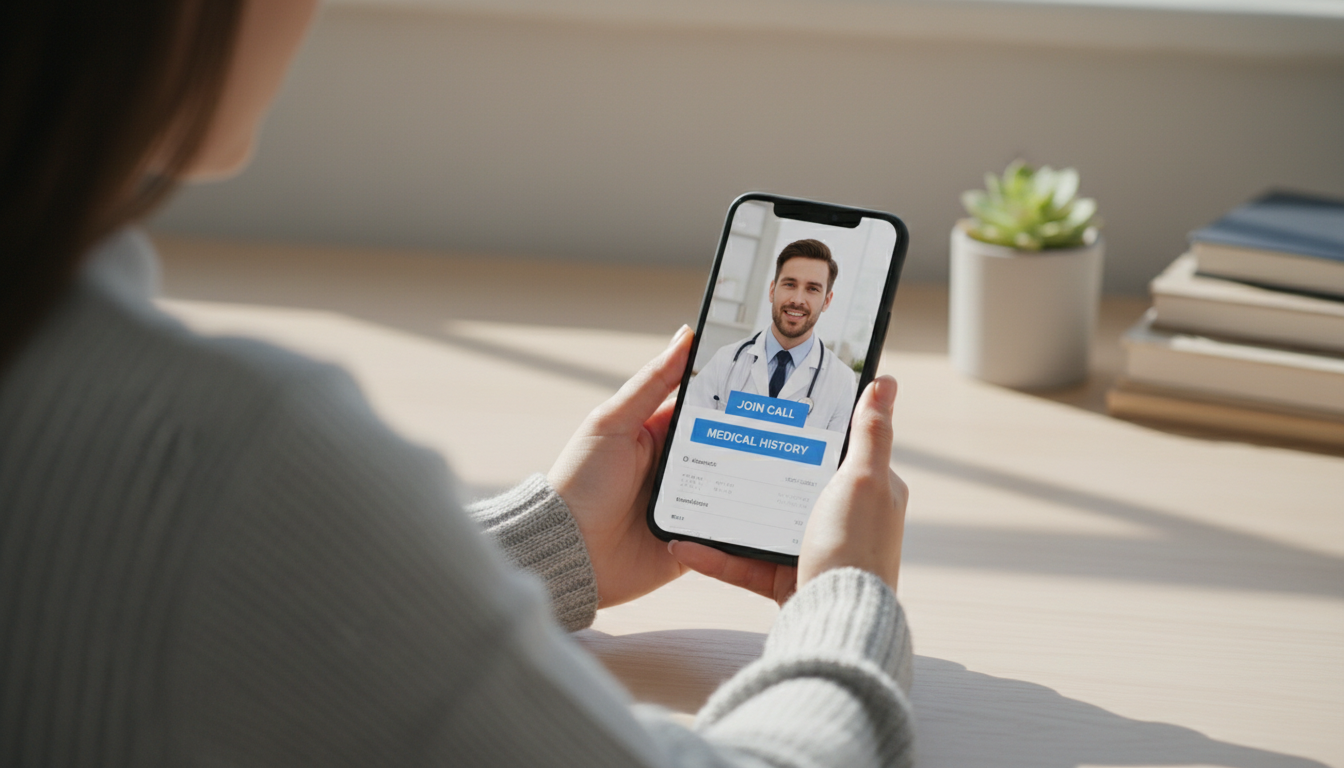
One widespread belief is that telehealth lacks the personal touch of in-person visits. However, telehealth services often enhance the patient-provider relationship. Through video calls, patients can communicate effectively with their healthcare providers, ensuring that they receive the attention and care they need.
Providers can review medical records and discuss treatment plans in real-time, fostering a collaborative environment. This interaction can build trust and strengthen the patient-provider bond.
Myth 2: Telehealth Is Only for Minor Issues
Another misconception is that telehealth is suitable only for minor health problems. In reality, telehealth covers a wide range of services, from mental health consultations to chronic disease management. Many specialists offer telehealth services, enabling patients to access expert advice from the comfort of their homes.
Myth 3: Telehealth Is Not Secure
Security concerns are often cited as a reason to avoid telehealth. However, telehealth platforms use advanced encryption technologies to protect patient information. Healthcare providers comply with regulations such as HIPAA to ensure privacy and confidentiality.
Patients can feel confident that their data is secure, as telehealth services prioritize safeguarding sensitive information.
Myth 4: Telehealth Is Too Complicated
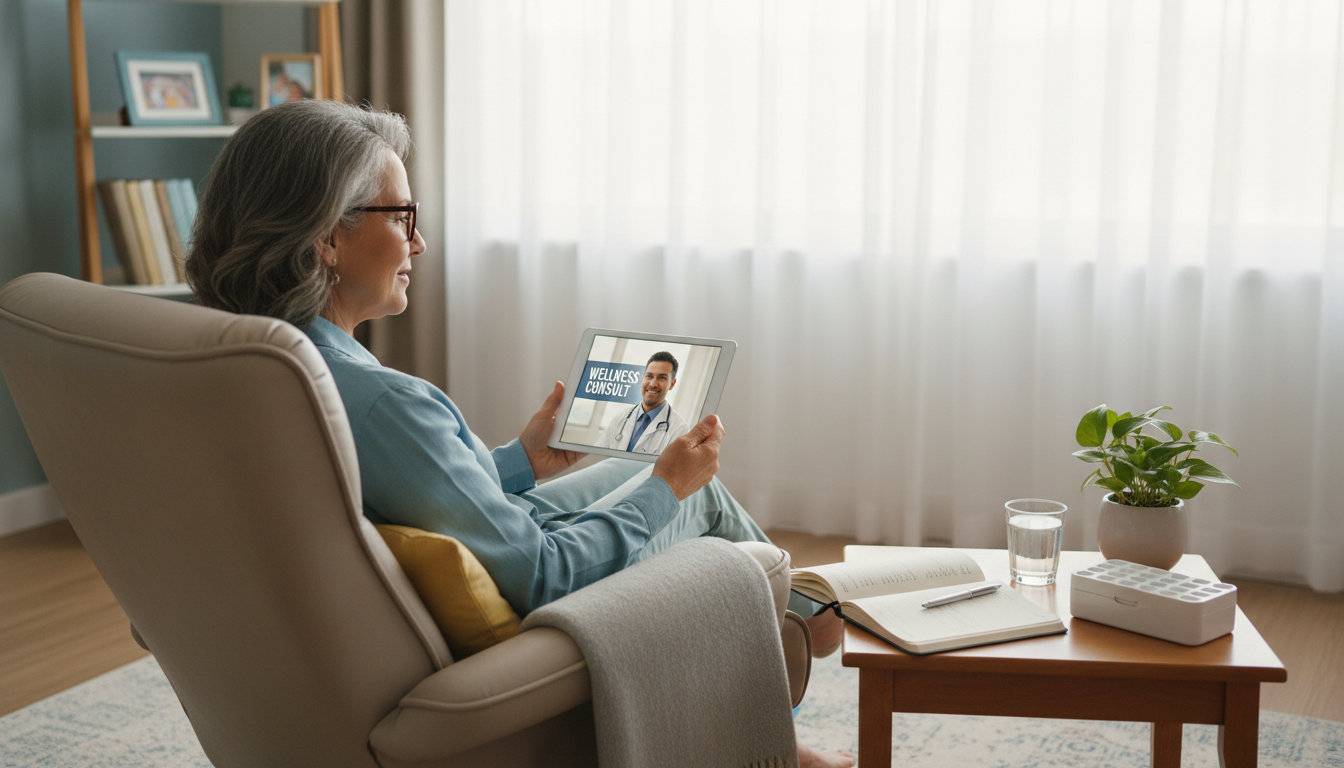
Some individuals believe telehealth is complicated and difficult to use. In contrast, most telehealth platforms are user-friendly and designed to be accessible to people of all ages. With simple interfaces and clear instructions, patients can easily connect with their healthcare providers.
The Benefits of Telehealth
Telehealth offers numerous benefits that go beyond convenience. These include:
- Accessibility: Patients in remote areas can access quality healthcare without traveling long distances.
- Time-Saving: Eliminates the need for travel and waiting room times, making healthcare more efficient.
- Cost-Effective: Reduces the expenses associated with in-person visits.
Navigating Telehealth Successfully
To make the most of telehealth, patients should prepare for their virtual visits just as they would for in-person appointments. This includes having a list of questions, ensuring a stable internet connection, and finding a quiet space for the consultation.
Being proactive and engaged during the appointment can enhance the overall effectiveness of telehealth services.
Telehealth: A Step Forward
Telehealth is not just a temporary solution; it represents a significant advancement in healthcare delivery. By embracing telehealth, patients can enjoy a more flexible, accessible, and efficient healthcare experience.

As we debunk these myths, it becomes clear that telehealth is a viable and beneficial option for many people. Understanding its true potential can help individuals make informed decisions about their healthcare journey.