
Debunking Myths About Virtual Medical Care: What You Need to Know
MK
Understanding Virtual Medical Care
Virtual medical care, often referred to as telemedicine, has rapidly evolved, offering patients a convenient and efficient way to access healthcare. Despite its growing popularity, several myths persist, deterring some from embracing this modern approach. By debunking these misconceptions, we can better understand the benefits and capabilities of virtual medical care.

Myth 1: Virtual Care Is Impersonal
One common myth is that virtual medical care lacks the personal touch of in-person visits. However, many patients find that virtual appointments allow for more focused interactions. Without the distractions of a busy office, healthcare providers can dedicate their attention to listening and addressing patients' concerns. Additionally, virtual care often provides flexible scheduling, reducing the stress of travel and waiting times.
Myth 2: It’s Only for Minor Conditions
Another misconception is that telemedicine is only suitable for minor ailments. In reality, virtual care encompasses a wide range of services, from routine check-ups to chronic disease management. With advancements in remote monitoring and diagnostic tools, healthcare providers can effectively assess and manage more complex conditions remotely, ensuring continuous care for patients.
Myth 3: Virtual Care Isn’t Secure
Concerns about privacy and security often deter people from using virtual medical services. However, reputable telemedicine platforms employ robust security measures to protect patient data. Encryption and compliance with regulations like HIPAA ensure that personal health information remains confidential. Patients can confidently discuss their health issues knowing their data is secure.
Myth 4: Technology Barriers Are Too High
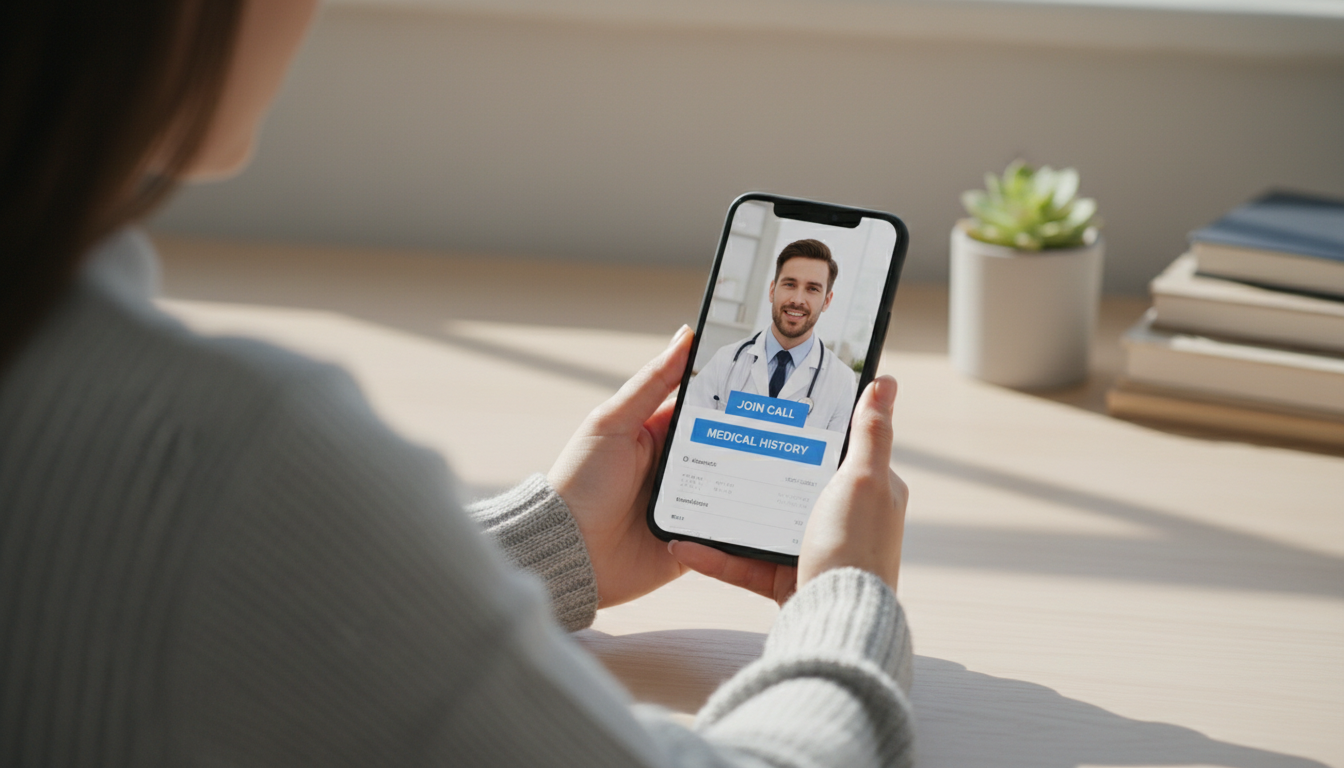
Some believe that virtual care requires advanced technical skills, but most platforms are designed to be user-friendly. With simple interfaces and comprehensive support, patients of all ages can easily navigate virtual consultations. Many providers offer assistance to ensure that technical issues do not become a barrier to accessing care.
The Benefits of Virtual Medical Care
Embracing virtual medical care offers numerous advantages. It enhances accessibility, particularly for those in remote or underserved areas. Patients save time and resources, as there's no need to travel long distances for appointments. Moreover, virtual care can lead to better health outcomes by facilitating more frequent check-ins and timely interventions.
In conclusion, virtual medical care is a viable and effective option for many patients, countering the myths that have surrounded it. By understanding its capabilities and benefits, individuals can make informed decisions about their healthcare options. As technology continues to advance, virtual care will likely play an even more significant role in the future of healthcare.