
How Does Telehealth Work: A Comprehensive Guide to Virtual Wellness
MK
In recent years, telehealth has transformed the way we approach healthcare, offering a convenient alternative to traditional in-person visits. But how exactly does telehealth work, and what makes it so effective? This comprehensive guide will walk you through the essentials of virtual wellness.
Understanding Telehealth
Telehealth refers to the use of digital information and communication technologies, such as computers and mobile devices, to access healthcare services remotely. It encompasses a wide range of practices, from video consultations to remote monitoring and digital communication between patients and healthcare providers.
The main goal of telehealth is to make healthcare more accessible, efficient, and patient-centered. By leveraging technology, patients can receive medical advice, diagnoses, and treatment from the comfort of their homes.
The Components of Telehealth
Video Consultations
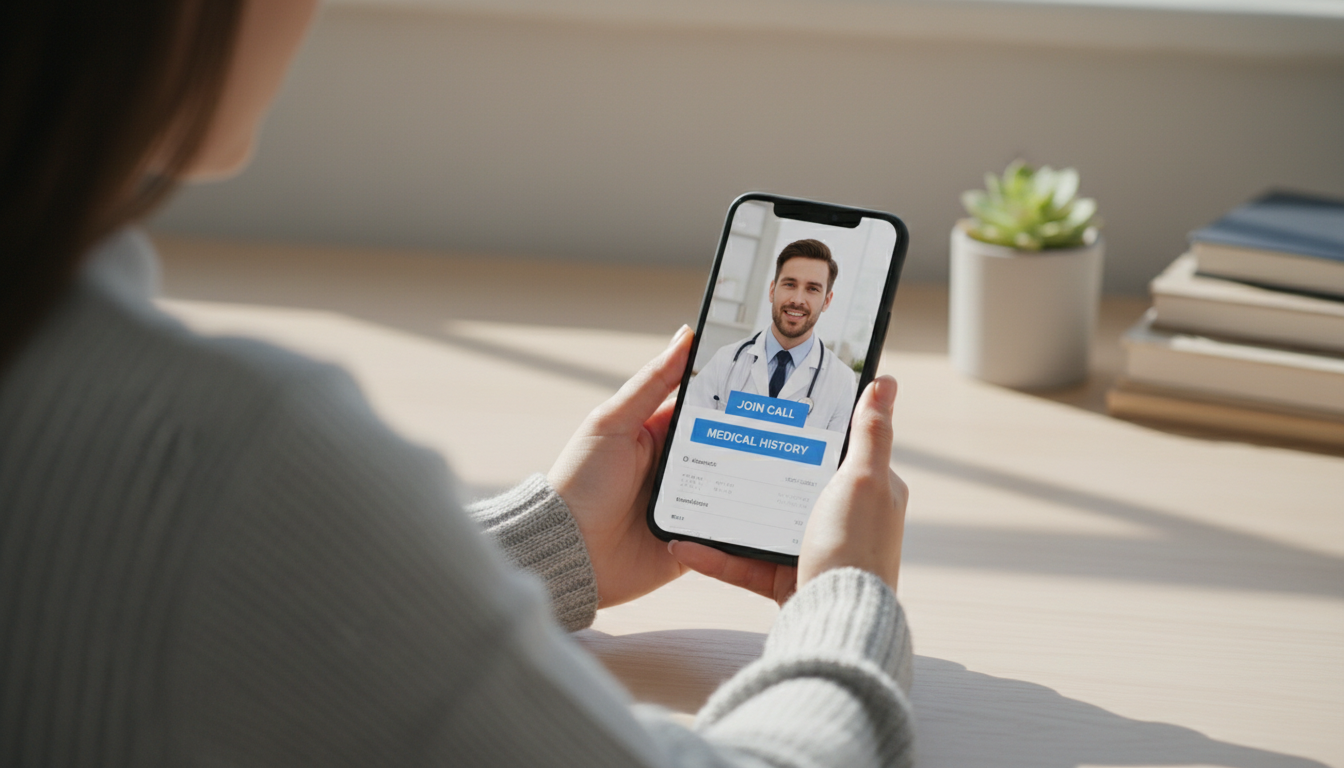
One of the most common forms of telehealth is video consultations. Patients can schedule virtual appointments with their healthcare providers, allowing them to discuss symptoms, receive diagnoses, and even get prescriptions without the need to visit a clinic physically. This is particularly beneficial for those with mobility issues or those living in remote areas.
Remote Patient Monitoring
This component involves the use of connected devices to track patients’ health data in real time. Devices such as heart rate monitors, glucose meters, and blood pressure cuffs can transmit data directly to healthcare providers, allowing for continuous monitoring and timely interventions.

Mobile Health Apps
Mobile health apps play a crucial role in telehealth by offering tools for managing health and wellness. These apps can provide medication reminders, track fitness progress, and offer mental health support, making them a versatile addition to a patient’s healthcare toolkit.
Benefits of Telehealth
Telehealth offers numerous advantages that are reshaping the healthcare landscape. Here are some of the key benefits:
- Convenience: Patients can access healthcare services without having to leave their homes.
- Accessibility: Telehealth bridges the gap for individuals in rural or underserved areas.
- Cost-Effectiveness: It often reduces the need for costly emergency room visits and hospitalizations.
- Reduced Exposure: Minimizes the risk of exposure to contagious diseases.

Challenges and Considerations
While telehealth offers many benefits, there are also challenges that must be addressed. Ensuring patient privacy and data security is a top priority. Additionally, not all patients have access to reliable internet connections or digital devices, which can hinder the effectiveness of telehealth services.
Healthcare providers must also adapt to new technologies and workflows, which may require training and adjustments to existing practices. Despite these challenges, the potential of telehealth to improve healthcare delivery is significant.
The Future of Telehealth
As technology continues to advance, the scope of telehealth is expected to expand even further. Innovations such as artificial intelligence, virtual reality, and enhanced data analytics are likely to enhance the quality and scope of telehealth services. With ongoing developments, telehealth is poised to become an integral part of the healthcare ecosystem.
In conclusion, telehealth represents a promising shift towards more accessible, efficient, and patient-centered healthcare. By understanding how telehealth works and its potential, both patients and providers can better navigate the evolving landscape of virtual wellness.