
Is a Private Telehealth Clinic Right for You?
MK
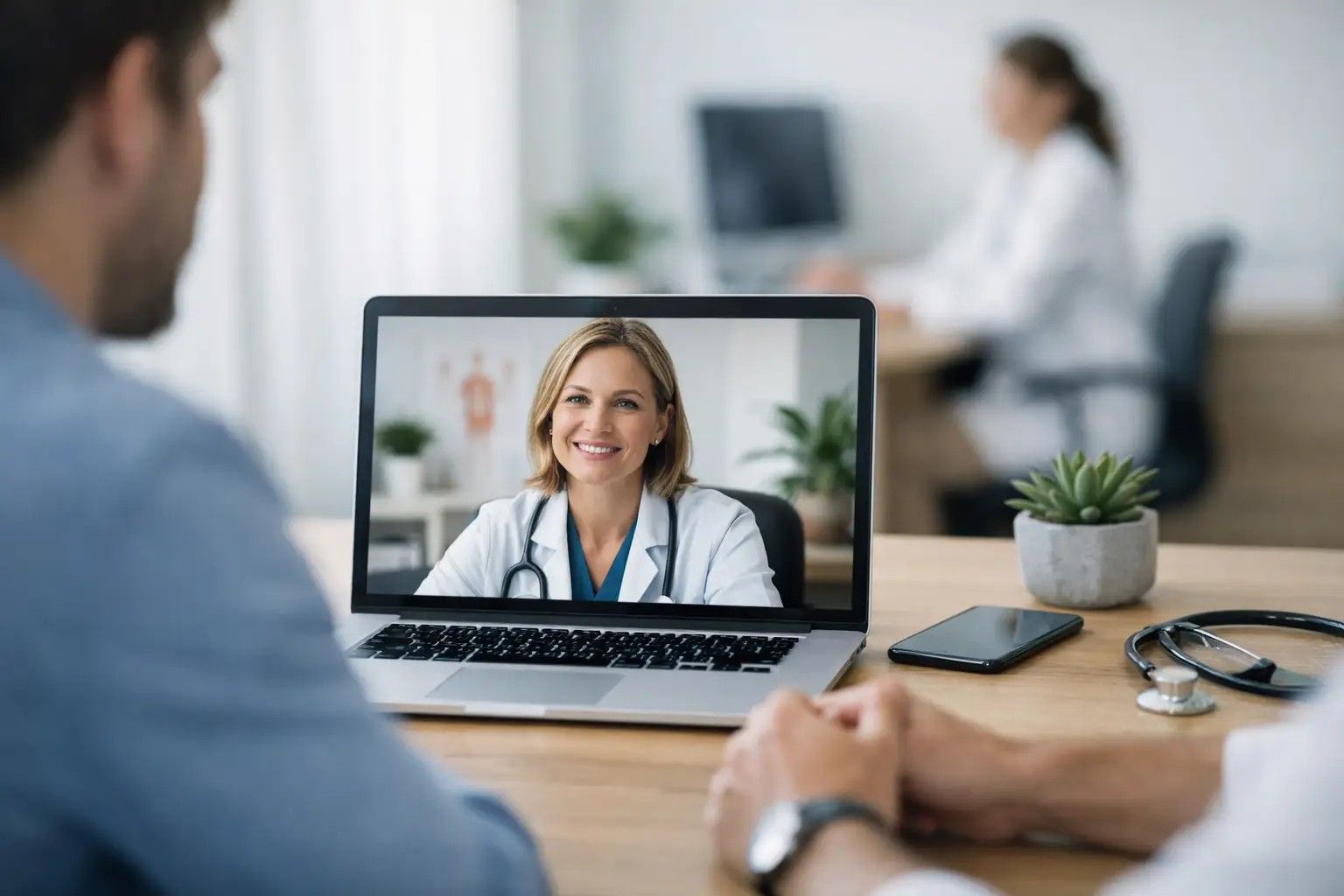
You wake up with a UTI, your blood pressure medication is running low, or your weight loss plan has stalled again. What most people do not need in that moment is a waiting room, a phone tree, and a three-week delay. A private telehealth clinic offers a different model - one built around fast access, clear pricing, and care that fits into real life.
For many adults in California, that shift matters. Healthcare is not just about getting a diagnosis. It is about being able to ask questions, review treatment options, get labs ordered, refill prescriptions when appropriate, and keep moving forward without wasting hours on logistics. That is where a virtual, cash-pay clinic can make sense.
What a private telehealth clinic actually does
A private telehealth clinic is a medical practice that delivers care remotely, usually through video visits, messaging, and digital follow-up. The word private can mean a few things depending on the clinic. In most cases, it means the practice operates outside the traditional insurance-first model and works directly with patients on a cash-pay basis.
That structure changes the experience. Instead of building care around insurance rules, referrals, and billing complexity, the clinic can focus on access and treatment planning. Patients typically know the visit price up front, can book more quickly, and often get a more direct line to follow-up care.
That does not mean every concern can or should be handled online. If someone has chest pain, severe shortness of breath, stroke symptoms, or another emergency, virtual care is not the right setting. But for a large share of everyday and ongoing healthcare needs, telehealth is both practical and clinically appropriate.
Why patients choose a private telehealth clinic
Convenience is usually the first reason, but it is not the only one. Many patients are also looking for more personalized care. In a traditional high-volume system, visits can feel rushed and fragmented. You may get a quick answer to the immediate issue but little guidance on the bigger picture.
A private telehealth clinic often works better for people who want continuity. That includes adults managing chronic conditions like high blood pressure, thyroid disorders, anxiety, depression, or prediabetes. It also includes patients who want structured support for concerns that are common, but often hard to address in rushed in-person settings, like fatigue, hair loss, sexual wellness, or medical weight management.
Privacy matters too. Some people are more comfortable discussing sensitive concerns from home than in a crowded office. Others simply want healthcare that feels easier to start and easier to maintain.
What care can be handled virtually
This is where the model becomes especially useful. A well-run telehealth practice can cover much more than one-off urgent concerns.
Primary care and common acute issues
Virtual visits can work well for many everyday problems, especially when symptoms are straightforward and a provider can take a careful history. Common examples include urinary tract infections, sinus symptoms, allergies, rashes, medication questions, mild respiratory illnesses, and follow-up after a recent diagnosis.
Telehealth can also support chronic disease management. If you are tracking blood pressure, reviewing blood sugar trends, adjusting thyroid treatment, or checking in on anxiety or depression symptoms, a remote visit may be all that is needed. When labs or imaging are appropriate, those can often be ordered without requiring an in-person appointment first.
Wellness optimization and vitality concerns
Some health concerns fall into the space between primary care and lifestyle medicine. Fatigue, low libido, hair changes, skin concerns, and sleep-related complaints can be easy to dismiss, yet they often affect quality of life in a major way.
A private telehealth clinic may be able to evaluate these issues more thoroughly than patients expect. That can include reviewing symptoms, medical history, contributing conditions, medications, and lab work before creating a plan. Sometimes the answer is a prescription. Sometimes it is a broader treatment strategy with monitoring over time. The key is that the process stays clinical, not trend-driven.
Medical weight management
Weight health is one of the clearest examples of where telehealth can be effective when it is done responsibly. Many patients do not need generic advice. They need medical screening, realistic goal setting, education about options, and follow-up that does not disappear after the first month.
A provider-guided program may include metabolic review, lab orders, nutrition and lifestyle support, and medication management when appropriate. For some patients, that can include GLP-1 or dual-agonist therapies such as semaglutide or tirzepatide, but only after an individual medical evaluation. This is an area where trade-offs matter. These medications can be effective, but they are not right for everyone, and the best outcomes usually come from ongoing monitoring rather than a one-time prescription.
What to look for in a private telehealth clinic
Not all virtual clinics offer the same level of care. Some are essentially transactional platforms. Others are structured more like real medical practices with continuity, follow-up, and broader clinical scope.
A strong clinic should make it clear what is included. Patients should be able to understand whether the service covers diagnosis, treatment planning, prescription management, refill support when appropriate, lab and imaging orders, and ongoing monitoring. Transparency around cost is just as important. If pricing is hard to find or full of exceptions, that is usually a sign to look closer.
You should also pay attention to who is providing care. Provider-led treatment, evidence-based protocols, and clear communication matter more than flashy branding. The best virtual care feels accessible without feeling casual.
The trade-offs to understand
Telehealth is convenient, but good care still requires clinical judgment. A virtual clinic cannot perform a hands-on exam, listen to your lungs directly, or handle urgent procedures. Some cases will need in-person follow-up, imaging, or referral to a local specialist. That is not a flaw in the model. It is simply part of practicing medicine responsibly.
Cash-pay care also has pros and cons. On the positive side, it often means faster scheduling, more predictable pricing, and less administrative friction. On the other hand, patients need to decide whether paying directly works for their budget. Some clinics support HSA or FSA payments and provide superbills for possible reimbursement, which can help, but coverage varies.
The right choice depends on what kind of care you need most. If your priority is immediate access, a more direct relationship with your provider, and a simpler path to treatment, a private model can be a strong fit.
When this model makes the most sense
A private telehealth clinic tends to work especially well for adults who are balancing a lot. Busy professionals may need same-day care without stepping away from work for half a day. Parents may want to manage their own health without arranging childcare just to sit in traffic and a waiting room. Patients with chronic conditions often benefit from easier follow-up and medication management. People pursuing weight health or vitality-focused treatment may prefer a setting where those concerns are taken seriously from the start.
This model also appeals to patients who want healthcare to feel more straightforward. Instead of wondering what the visit will cost, whether a refill request will disappear into a portal, or how long it will take to get the next appointment, they want a process that is easier to understand and easier to use.
That is part of why clinics like MaVie Clinic are gaining traction. The appeal is not just that care happens online. It is that the experience is designed around access, affordability, and ongoing support, while still staying grounded in real clinical evaluation.
A better question than whether telehealth is replacing in-person care
For most patients, the real question is not whether virtual care replaces traditional medicine. It is whether your current setup actually works for the kind of care you need. If it takes too long to get help, if routine issues feel harder than they should, or if you want more continuity around long-term goals, a private telehealth clinic may be the more practical option.
Healthcare should not feel like a scheduling problem first and a medical service second. When care is timely, personalized, and easy to access, people are more likely to follow through. That can make a real difference, whether you need help today or support over the next year.