
Managing Cold and Flu Symptoms with Telehealth: Expert Tips and Advice
MK
Understanding the Role of Telehealth in Managing Cold and Flu
As the cold and flu season approaches, managing symptoms effectively becomes a priority for many. With the advent of telehealth services, patients can now access medical advice and treatment without leaving their homes. This convenient option not only saves time but also minimizes exposure to other illnesses.
Telehealth has transformed the way we approach minor illnesses, offering quick consultations and expert guidance. By leveraging technology, patients can receive accurate diagnoses and treatment plans tailored to their specific needs.

Benefits of Using Telehealth for Cold and Flu Symptoms
One of the primary advantages of telehealth is its accessibility. Patients can connect with healthcare professionals from anywhere, eliminating the need to travel when feeling unwell. This is especially beneficial for those with mobility issues or those living in remote areas.
Additionally, telehealth services often provide quicker responses compared to traditional appointments. Many platforms offer 24/7 access, allowing patients to seek advice at any time of the day. This immediate access can be crucial in managing symptoms effectively.
What to Expect During a Telehealth Consultation
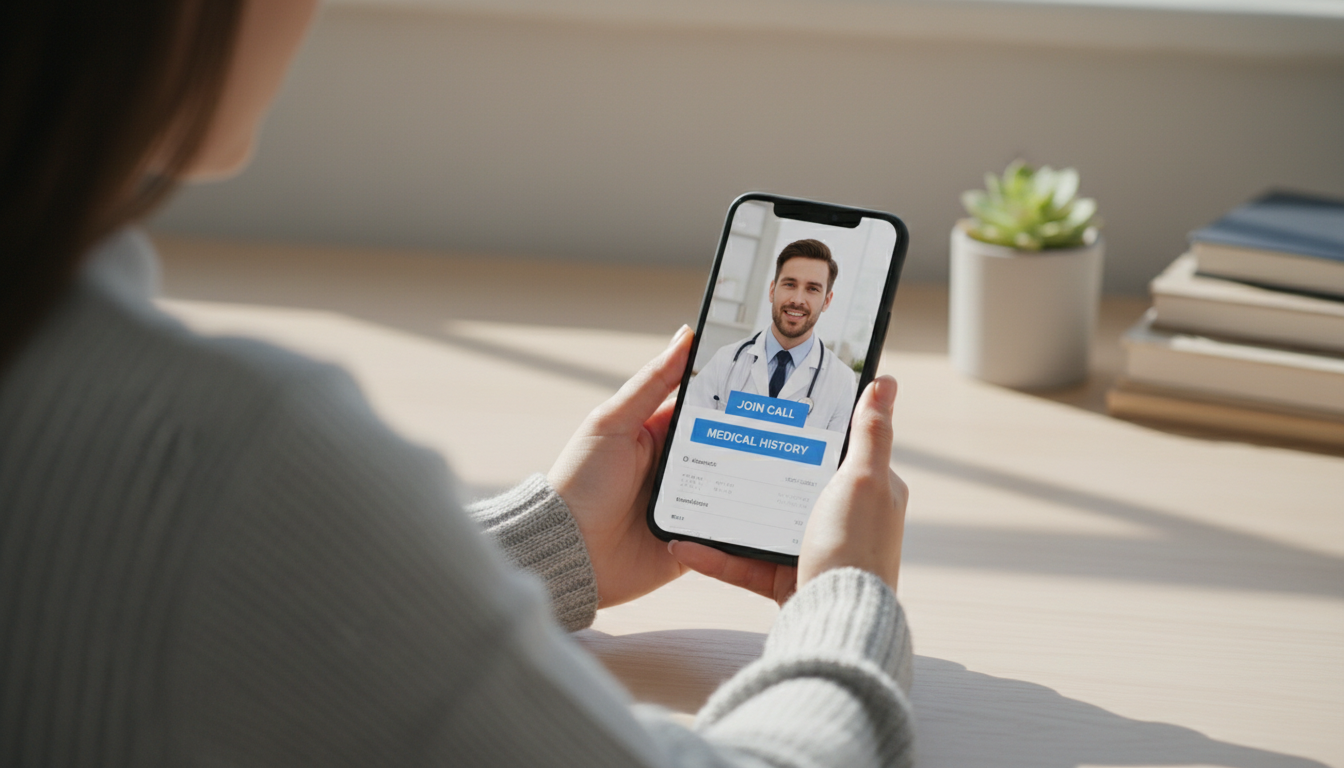
During a telehealth consultation, a healthcare provider will typically ask about your symptoms, medical history, and any current medications. It's important to provide detailed information to ensure an accurate diagnosis.
Based on the consultation, the provider might recommend over-the-counter medications, prescribe antiviral drugs, or suggest lifestyle changes to alleviate symptoms. They may also advise on when to seek in-person care if necessary.
Expert Tips for Managing Symptoms at Home
While telehealth provides medical guidance, managing cold and flu symptoms at home is equally important. Here are some expert tips to help you feel better:
- Stay Hydrated: Drinking plenty of fluids can help thin mucus and prevent dehydration.
- Rest: Giving your body time to recover is crucial. Ensure you get adequate sleep and avoid strenuous activities.
- Maintain a Healthy Diet: Eating nutrient-rich foods can boost your immune system and speed up recovery.

When to Seek Further Medical Attention
While most cold and flu cases can be managed at home, certain symptoms warrant further medical attention. If you experience persistent high fever, difficulty breathing, or severe headache, it's essential to consult a healthcare provider promptly.
Telehealth can guide you on whether in-person care is necessary, ensuring you receive the appropriate level of treatment without delay.
Conclusion
Telehealth offers a modern solution for managing cold and flu symptoms, combining convenience with expert medical advice. By utilizing these services, patients can effectively address their health concerns while minimizing risks associated with in-person visits.
As technology continues to evolve, telehealth will likely play an even more significant role in healthcare, providing patients with efficient and accessible care options.