
Virtual Chronic Disease Management That Fits Life
MK
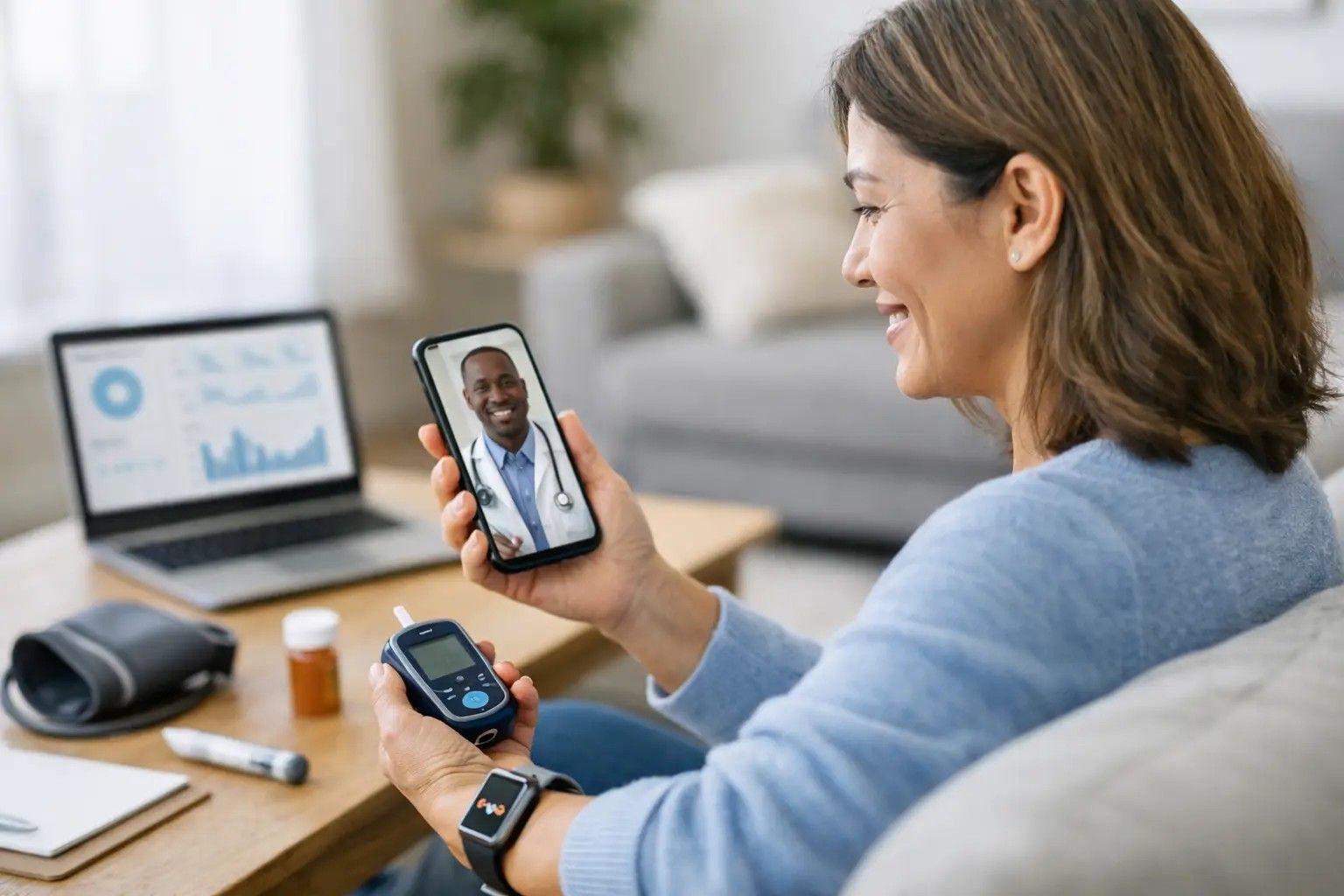
When blood pressure checks, medication refills, and follow-up visits keep getting pushed behind work, family, and traffic, chronic care becomes harder than it needs to be. Virtual chronic disease management offers a more practical way to stay on top of ongoing health needs without building your week around a waiting room.
For many adults, managing a long-term condition is not about one major appointment. It is about consistency. It is checking in before a problem escalates, adjusting treatment when symptoms change, reviewing labs on time, and having a provider who can respond without making care feel complicated. That is where virtual care can make a real difference.
What virtual chronic disease management actually includes
Virtual chronic disease management is ongoing medical care delivered through telehealth for conditions that need regular monitoring, treatment adjustments, and follow-up. Depending on the condition and the provider, that may include video visits, medication management, prescription refills, lab orders, imaging orders, symptom review, treatment planning, and regular check-ins.
This model works best when care is structured, not random. A good virtual care plan does more than handle one-off requests. It creates a clear path for monitoring progress and responding early when something starts to shift.
For patients, that often means practical support such as:
routine follow-up visits from home
medication review and refill management
lab ordering and result review
tracking symptoms, side effects, and treatment response
guidance on lifestyle changes that affect the condition
referrals or escalation when in-person care is needed
That last point matters. Virtual care is highly useful, but it is not meant to replace every type of medical evaluation. The best approach is knowing what can be managed safely online and when an in-person exam, urgent care visit, or specialist assessment is the better choice.
Which conditions fit virtual chronic disease management best
Many common long-term conditions are well suited for telehealth follow-up, especially when treatment relies on history, symptom patterns, home readings, and periodic lab monitoring. High blood pressure, type 2 diabetes, thyroid conditions, anxiety, depression, high cholesterol, and weight-related health concerns are common examples.
In these cases, a provider often does not need to see you in a clinic every time to make meaningful decisions. If you can share home blood pressure readings, glucose data, weight trends, medication responses, or recent lab results, a virtual visit can be just as useful for many follow-ups.
That said, not every case is equally straightforward. A patient with stable hypertension who needs ongoing medication management may be an excellent fit for virtual care. Someone with chest pain, severe swelling, fainting, or signs of an acute complication needs in-person evaluation quickly. Virtual care works well when it is paired with good judgment.
Why convenience changes outcomes
Convenience can sound like a bonus feature, but for chronic care it often affects whether treatment happens at all. If getting care means taking half a day off, arranging childcare, commuting across town, and waiting weeks for an opening, routine follow-up gets delayed. Those delays can lead to missed refills, untreated symptoms, and slow drift away from the treatment plan.
Virtual care reduces that friction. When visits are easier to schedule and easier to attend, patients are more likely to stay engaged. They can ask questions sooner, address side effects before stopping a medication, and review lab results without another round of scheduling hurdles.
This is especially relevant for working adults, parents, and anyone balancing multiple responsibilities. Accessible care supports consistency, and consistency is what chronic disease management depends on.
How virtual chronic disease management supports better follow-up
One of the biggest strengths of virtual chronic disease management is the ability to make follow-up feel routine instead of disruptive. Chronic conditions rarely stay static forever. Medications may need to be adjusted. Goals may change. New symptoms may appear. Weight may go up or down. Stress, sleep, and life circumstances can all affect disease control.
With telehealth, follow-up can happen more naturally. A provider can review whether a medication is helping, whether side effects are manageable, whether labs suggest a change is needed, and whether the current plan still makes sense. That kind of touchpoint is easier to maintain when the care model is built around access.
A strong virtual model also helps patients avoid the common cycle of waiting until a prescription runs out or a symptom becomes disruptive. Instead of reacting late, care becomes more proactive.
What to look for in a virtual care provider
Not all telehealth is designed for ongoing care. Some platforms are built for fast, single-issue visits and are less equipped for longitudinal management. If you are choosing a provider for chronic care, look for one that can handle the full workflow, not just the appointment itself.
That includes medical evaluation, treatment planning, refills when appropriate, lab and imaging orders, monitoring, and communication around next steps. Transparent pricing also matters, especially for cash-pay patients who want to know what to expect before starting.
It helps when the care experience is set up to reduce handoffs. A more connected model can make it easier to move from evaluation to treatment and ongoing monitoring without repeating your history at every step. For many California patients, that is part of the appeal of practices like MaVie Clinic, where convenience is paired with provider-guided care rather than treated as a substitute for it.
The trade-offs patients should understand
Virtual care is useful, but it is not magic. There are trade-offs, and patients should know them.
The biggest limitation is the physical exam. Some conditions can be followed safely based on history, home monitoring, and testing. Others require hands-on assessment. If your provider cannot listen to your heart, examine swelling, check your abdomen, or perform a neurologic exam, there are times when virtual care reaches its limit.
Home data also matters. Virtual management tends to work better when patients can provide accurate information such as blood pressure readings, blood sugar values, body weight, or symptom logs. If those numbers are missing or unreliable, treatment decisions may be less precise.
There is also an accountability factor. Telehealth makes care easier to access, but patients still need to complete labs, take medications as directed, and follow through on recommendations. Convenience supports better care, but it does not replace participation.
Why personalization matters in chronic care
Long-term conditions are rarely managed well with a generic script. Two patients with the same diagnosis may need very different plans based on symptoms, goals, side effects, budget, other medications, and daily routine.
That is why individualized care matters so much in virtual settings. A thoughtful provider should look beyond the diagnosis itself and ask what is getting in the way. Is the medication effective but causing side effects? Is the schedule unrealistic? Are costs creating gaps in treatment? Does the patient need more frequent follow-up during a medication change?
This is also where virtual care can feel more patient-centered. When visits are easier to access, there is more room for shared decision-making and adjustment over time. Instead of forcing patients into a rigid care pattern, the plan can better reflect how they actually live.
When virtual care works especially well
Virtual chronic disease management is often a strong fit for patients who want timely access, clear pricing, and a simpler way to stay connected to care. It can be especially helpful for ongoing medication management, reviewing labs, monitoring common chronic conditions, supporting weight-related health goals, and addressing issues that benefit from regular follow-up rather than occasional urgent visits.
It also works well for patients who already know that delays are their biggest barrier. If the hard part is not willingness but access, telehealth can remove enough friction to make consistent care realistic.
The key is choosing a model that treats chronic care as an ongoing clinical relationship, not a quick transaction. The value of virtual care is not just that it happens online. It is that it can make staying engaged with your health more doable, more responsive, and less disruptive to the rest of your life.
If you are managing a chronic condition, the best care plan is often the one you can actually keep up with.